





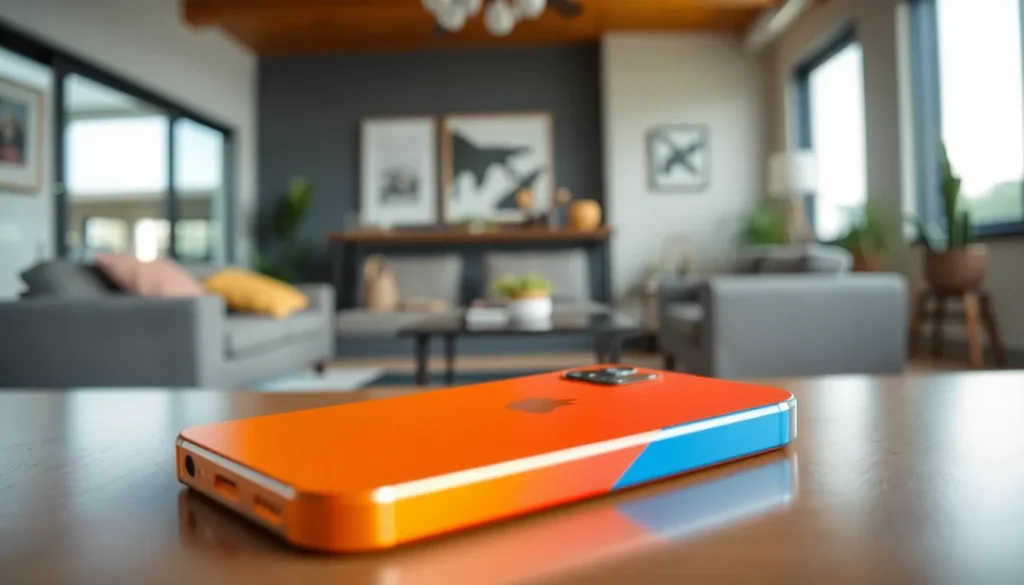
When it comes to protecting that precious iPhone, the last thing anyone wants is a case that doesn’t fit. Picture this: you’ve just upgraded to the iPhone 12, and you’re ready to slap on your trusty iPhone 11 case. But wait—will it fit, or are you about to embark on a case catastrophe?
Understanding iPhone Case Compatibility
Determining case compatibility is crucial for protecting the iPhone. The iPhone 11 and iPhone 12 differ slightly in dimensions and design. The iPhone 11 measures 150.9 mm x 75.7 mm x 8.3 mm, while the iPhone 12 is more compact at 146.7 mm x 71.5 mm x 7.4 mm. These size variations create a mismatch when fitting an iPhone 11 case on an iPhone 12.
Access to buttons and ports presents another issue. The placement of these elements varies between the two models. Button accessibility suffers when an iPhone 11 case covers crucial ports on the iPhone 12. Unequal camera arrangements complicate the fitting process as well. The dual-camera layout on the iPhone 11 contrasts with the improved configuration of the iPhone 12.
Users must consider material flexibility in case designs. Soft silicone cases may allow for slight stretching, but they often fail to provide the necessary protection when used improperly. Rigid cases, such as hard shells, may damage the phone if they do not fit correctly.
Seeking out specific case designs made for the iPhone 12 ensures a perfect fit. Third-party manufacturers often provide extensive compatibility information for their products. Shopping with attention to detail will aid in finding the right case for the iPhone model. Investing in a case designed for a specific model offers the best solution for optimal protection and functionality.
Design Differences Between iPhone 11 and iPhone 12
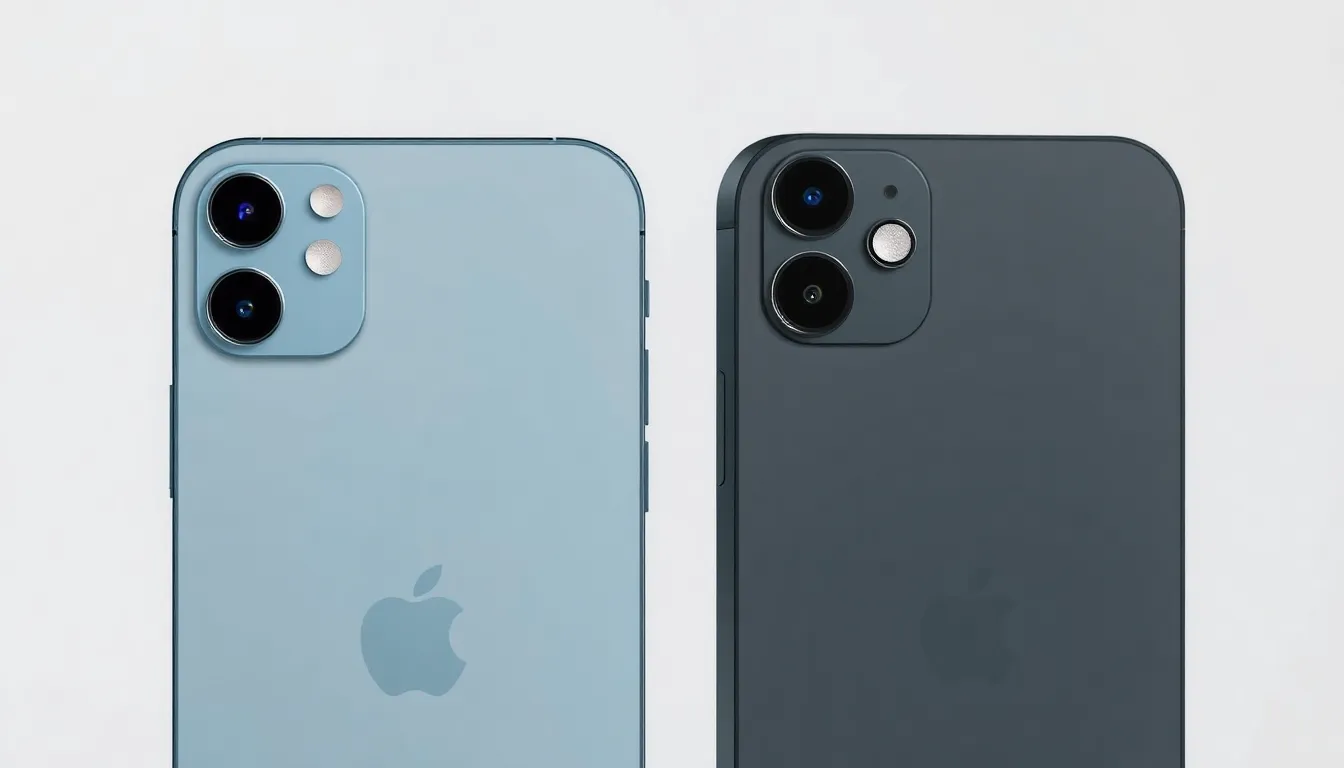
Understanding the design differences between the iPhone 11 and iPhone 12 is crucial for users considering case compatibility.
Dimensions and Size
iPhone 11 measures 150.9 mm x 75.7 mm x 8.3 mm. In contrast, iPhone 12 has a more compact size at 146.7 mm x 71.5 mm x 7.4 mm. This variation in dimensions leads to an incompatibility of cases. Users may find that an iPhone 11 case doesn’t fit the sleeker design of the iPhone 12. While the iPhone 12 offers a modern aesthetic, its design necessitates a case tailored to its specific measurements for optimal protection. When attempting to fit an iPhone 11 case on an iPhone 12, a loose fit occurs, compromising the phone’s safety and usability.
Camera and Port Placement
Camera and port placement shows notable differences between the two models. In the iPhone 11, the camera module is positioned differently than in the iPhone 12. The placement of buttons and charging ports also changes. Misalignment in these areas can obstruct access and functionality when using an iPhone 11 case. The iPhone 12 features a new MagSafe capability, which requires specific cutouts in cases that the iPhone 11 does not accommodate. These design variations underscore why a case designed specifically for the iPhone 12 is essential for maintaining device functionality and accessibility.
Material Considerations
Material selection significantly influences the effectiveness of a phone case, especially when assessing compatibility between iPhone models. Choosing the right type enhances protection and usability.
Hard Cases vs. Soft Cases
Hard cases offer robust protection due to their rigid structure. They safeguard against impact and maintain the phone’s shape, which is crucial for the iPhone 12. A soft case, typically made from silicone or rubber, provides flexibility and comfort but may lack in durability. While it can fit snugly, a soft case may stretch over time, resulting in insufficient protection. Durability and design should guide the choice, emphasizing the need for a case tailored specifically for the iPhone 12.
Impact and Drop Protection
Impact and drop protection depends on the case material and design. Hard cases excel in absorbing shocks, effectively minimizing damage from falls. They often feature reinforced corners or elevated edges that protect screen and camera components. Conversely, soft cases can cushion impacts but might not prevent significant damage when dropping. Selecting a case that combines both hard and soft features may enhance protection while ensuring compatibility with the iPhone 12. Prioritizing these elements contributes to protecting one’s device effectively.
User Experiences and Reviews
Users often share varied experiences regarding the compatibility of iPhone 11 cases with the iPhone 12. Many report success when using cases from manufacturers that offer universal fit designs. For example, silicone cases that stretch have allowed some users to maintain a snug fit, albeit with notable compromises on protection quality. A couple of users highlight how certain third-party cases designed for both models provide seamless access to buttons and ports. Feedback indicates that these dual-design cases often cater to the different alignments realistically.
Success Stories
In numerous instances, users have praised brands that specifically design cases for the iPhone 12. One user noted that a protective case with reinforced corners fit their new phone perfectly, maintaining a sleek profile while ensuring robust protection. Customers frequently express satisfaction with cases that feature precise cutouts, enhancing usability and allowing full access to the camera and charging ports. Another user shared a successful experience while using a slim case that added minimal bulk yet provided adequate protection. Such successes highlight that choosing the right case can significantly enhance the overall user experience.
Challenges Encountered
Despite positive experiences, several users face challenges with iPhone 11 cases on their iPhone 12 devices. One common issue involves misaligned cutouts for the camera and speaker, hindering usability. Many users report that older cases fit too loosely, compromising the protection of their phones during drops. Some customers find that buttons become difficult to access, creating frustration. Another challenge arises with MagSafe compatibility, as users express disappointment over older cases lacking necessary features for seamless connections. These challenges underscore the importance of ensuring case compatibility with specific phone models.
Using an iPhone 11 case on an iPhone 12 isn’t advisable due to significant differences in size and design. The iPhone 12’s dimensions and button placements create a mismatch that can hinder usability and protection. While some users may find success with flexible cases, this often compromises the level of safety needed for the device.
Investing in a case specifically designed for the iPhone 12 is essential for optimal protection and functionality. Third-party options are available that cater to both models, ensuring proper alignment of cutouts and access to features like MagSafe. Prioritizing compatibility will ultimately enhance the overall user experience and safeguard the device effectively.