





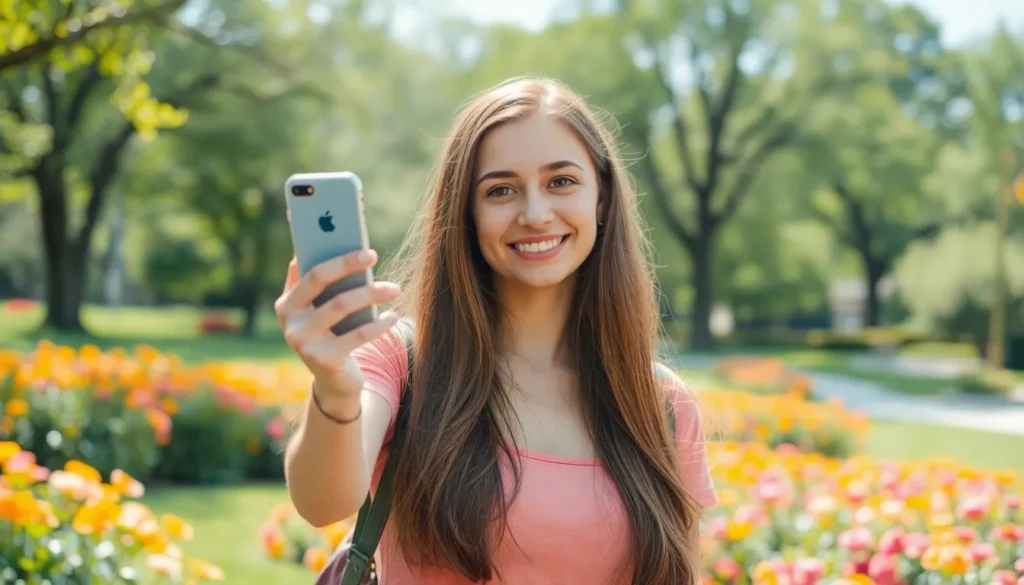
In a world where everyone’s a photographer, it’s time to embrace the reality that your smartphone might just be the best camera you’ll ever own. Gone are the days of lugging around bulky gear and pretending to know how to use fancy lenses. With just a few taps, anyone can capture moments that make friends jealous and influencers swoon.
Overview Of Smartphone Photography
Smartphone photography has transformed how people capture images today. This technology integrates powerful cameras into compact devices, enabling anyone to take high-quality photos with ease. Users appreciate the convenience of smartphones, as they fit easily into pockets and provide instant access to various photography features.
Modern smartphones often include multiple lenses, such as wide-angle, telephoto, and macro. These lenses allow for diverse photography styles, expanding creative possibilities. Advanced image processing software enhances photos, automatically optimizing colors and brightness levels to achieve stunning results.
Many users leverage smartphone camera settings like HDR (High Dynamic Range) and portrait mode to elevate their images. HDR captures more details in both shadows and highlights, while portrait mode creates a pleasing background blur, emphasizing the subject. Additionally, many apps offer filters and editing tools that further enhance photographs post-capture.
Social media platforms encourage the sharing of smartphone images, creating a vibrant community. Users post, like, and comment, providing immediate feedback and inspiration. This interaction promotes photography as a shared experience, fostering creativity and engagement among users.
Smartphone photography not only democratizes the art form but also encourages users to learn and experiment. Educational resources, such as online tutorials and photography courses, support skill development.
Ultimately, smartphones empower users to document their lives creatively. By simplifying the photography process and enhancing accessibility, these devices redefine how people express themselves through images.
Key Features Of Smartphone Cameras
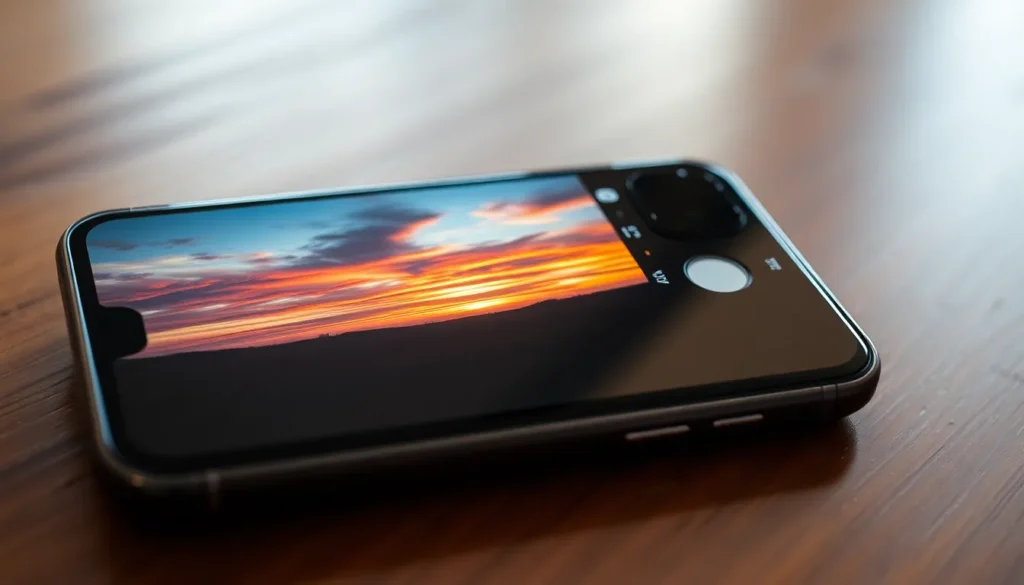
Smartphone cameras incorporate several key features that enhance photography. These elements combine to create a powerful photographic experience.
Image Quality
Image quality in smartphones has significantly improved. Modern devices utilize larger sensors that capture more light, resulting in better low-light performance. High-resolution sensors often exceed 12 megapixels, allowing for sharp images. Advanced algorithms reduce noise and enhance details in various conditions. For example, features like optical image stabilization help eliminate blurriness in handheld shots. Additionally, RAW image capture is available on many smartphones, offering more flexibility in post-processing.
Lens Options
Lens options provide versatility in smartphone photography. Most devices feature multiple lenses, including wide-angle, telephoto, and macro. A wide-angle lens allows for expansive landscapes, while telephoto lenses enable zooming in on distant subjects without losing detail. Users can switch lenses easily, expanding creative possibilities. For instance, macro lenses capture intricate details of small objects. Manufacturers continue to innovate, enhancing lens quality and options, which empower users to experiment with different perspectives.
Software Enhancements
Software enhancements play a crucial role in smartphone photography. Built-in image processing improves color accuracy and exposure. Features like night mode utilize computational photography to brighten low-light images without losing quality. AI-driven adjustments automatically optimize photos based on scene recognition. Users benefit from portrait modes that create bokeh effects, emphasizing the subject. Editing apps further enhance images post-capture, giving users control over their final results. Overall, advancements in software keep pushing the boundaries of smartphone photography.
Composition Techniques For Smartphone Photography
Smartphone photography benefits greatly from effective composition techniques. These methods help transform ordinary images into captivating visuals.
Rule Of Thirds
The rule of thirds divides an image into a 3×3 grid. Placing subjects along these lines or at their intersections creates balance. Significant elements become more engaging when aligned with these points. For instance, positioning a horizon line along the lower third often enhances landscape shots. Additionally, this technique encourages exploration of negative space, highlighting the central subject while keeping the background relevant. Experimenting with different placements can lead to innovative compositions.
Leading Lines
Leading lines direct viewers’ attention toward the focal point. They guide the eye through the image, often creating depth and perspective. Common examples include roads, paths, or architectural features. These lines can form natural frames that enrich a photo’s narrative. Selecting an interesting leading line fosters curiosity and context in the shot. Placing the subject where the line converges offers a visually striking experience. Incorporating this technique enhances the storytelling aspect of smartphone photography.
Tips For Taking Better Smartphone Photos
Maximizing smartphone photography requires attention to several key factors. Focus on lighting and editing to enhance photo quality.
Lighting Conditions
Natural light significantly impacts the quality of smartphone photos. Soft, diffused light during golden hour offers warm, flattering tones. Avoid harsh midday sunlight, which creates unflattering shadows. Find shaded areas to capture evenly lit images. Experiment with backlighting, as it produces dramatic silhouettes while highlighting subjects. Incorporate artificial light sources, such as lamps or string lights, to create unique moods in photos. Adjusting exposure settings also helps optimize bright and dark areas, resulting in well-balanced shots.
Using Editing Apps
Editing apps play a crucial role in refining smartphone images. Numerous apps, like Snapseed and Lightroom, offer intuitive editing features for users. Users can adjust brightness, contrast, and saturation to enhance overall visual appeal. Applying filters can give photos a professional finish, while cropping improves composition. Utilize tools for sharpening and noise reduction to enhance details without compromising quality. Explore presets for consistent styling, helping users achieve a cohesive aesthetic across images. Taking time to edit can elevate ordinary shots into stunning visuals.
Trends In Smartphone Photography
Smartphone photography continues evolving rapidly, driven by technological advances and changing consumer preferences. One significant trend is the adoption of computational photography, which leverages software algorithms to enhance image quality beyond hardware capabilities. Advanced features like Night Mode and AI scene recognition allow users to capture stunning images in low light or varying environments.
Multiple lenses on smartphones have become standard, providing versatility for capturing diverse perspectives. Ultra-wide-angle lenses are gaining popularity for landscapes, while telephoto lenses cater to portraiture and distant subjects. Manufacturers are continually innovating by introducing features such as periscope zoom to achieve greater magnification without sacrificing image clarity.
Video capabilities are also on the rise, with smartphones now able to shoot in 4K and even 8K resolutions. This trend highlights a shift in user behavior, as many prefer creating short films or vlogs over still images. Slow-motion and time-lapse features enhance storytelling possibilities, making multimedia content creation more accessible.
Social media platforms influence smartphone photography trends significantly. Users often seek new styles and editing techniques to enhance their online presence. Taking advantage of filters, augmented reality, and saturation adjustments allows individuals to craft unique visual narratives.
In addition, mobile photography communities are thriving. Platforms like Instagram and TikTok encourage sharing techniques, experiences, and challenges among users. Photographic contests and hashtags foster inspiration and engagement, solidifying the notion that smartphone photography is not just a pastime but a vibrant art form.
Lastly, continued integration of artificial intelligence in smartphones simplifies photo editing and curation. AI-driven editing apps streamline processes such as retouching and color correction, allowing users to achieve professional results effortlessly. These trends indicate that smartphone photography will remain at the forefront of visual expression and innovation.
Smartphone photography has revolutionized the way individuals capture and share their lives. With the convenience of powerful cameras in their pockets, users can explore their creativity like never before. The combination of advanced technology and user-friendly features makes it easy for anyone to take stunning photos.
As trends continue to evolve, the integration of AI and innovative lenses will further enhance the smartphone photography experience. This dynamic landscape encourages ongoing experimentation and learning, fostering a vibrant community of creators. Ultimately, smartphones empower users to tell their stories visually, making photography an accessible and exciting form of self-expression.