






Losing a phone can feel like losing a limb, especially when it’s your trusty iPhone. But what happens when that phone’s battery finally gives up the ghost? Can “Find My iPhone” swoop in like a superhero and save the day? Spoiler alert: it’s not quite that heroic.
Understanding Find My iPhone
Find My iPhone helps locate lost devices using Apple’s ecosystem. This feature connects through iCloud, providing tracking capabilities until the battery dies.
What Is Find My iPhone?
Find My iPhone is a built-in feature on Apple devices that allows users to track the location of their iPhones. Users access this tool through the Find My app or iCloud.com. It displays the last known location of the device, helping owners know where to search. This feature has become essential for many, offering peace of mind. A specific requirement must be met; the device must be powered on and connected to a Wi-Fi or cellular network for accurate tracking.
How Does It Work?
Find My iPhone uses GPS, Wi-Fi triangulation, and Bluetooth to pinpoint device locations. When a user activates this feature, the device communicates its location to Apple’s servers. The app displays the device on a map, showing whether it is online or offline. If the battery dies, the app shows only the last recorded location. Unique features like Lost Mode can lock the device, preventing unauthorized access. Notifications can alert users if the device comes online again, allowing for further tracking efforts.
Can Find My iPhone Locate a Dead Phone?
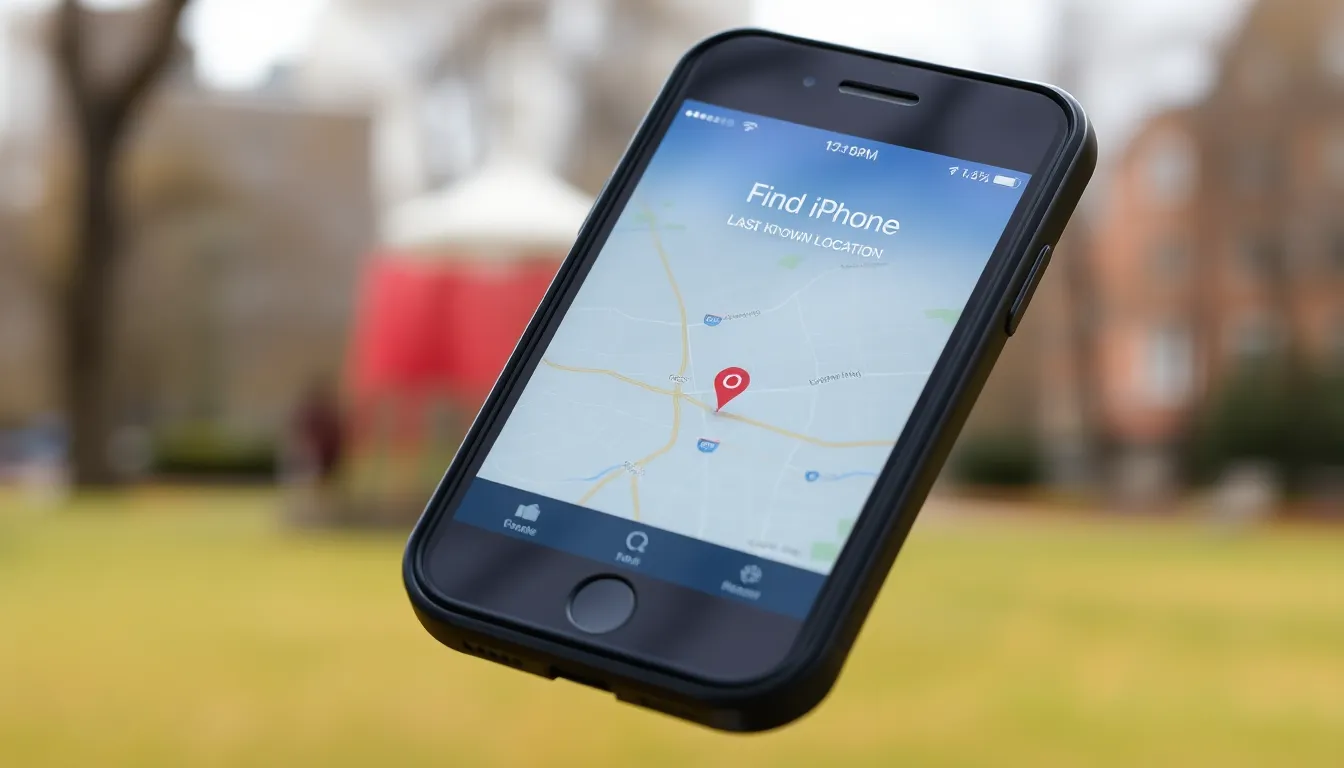
Find My iPhone has limitations when it comes to tracking a dead phone. The feature requires an active battery and a network connection to transmit location data. Once the battery depletes, the device becomes invisible on the map in the Find My app. Users can’t track a powered-off iPhone regardless of previous settings. While it offers guidance on the last known location, this data might no longer be helpful if the phone’s dead.
Limitations of Find My iPhone
Identifying a dead phone presents challenges for Find My iPhone. The app no longer tracks devices without power. Users rely heavily on the last known location data, which can become outdated quickly. If the phone is lost in an area without reliable connectivity, locating it becomes even more difficult. Additionally, the notification feature only works when the device is online, further complicating recovery efforts. Understanding these limitations clarifies the effectiveness of the feature under specific circumstances.
Scenarios Where It May Work
Find My iPhone works best in certain scenarios, even when tracking a dead phone. If the device previously had a location recorded, users can view that last positioning on the map. In cases where the phone dies after being lost, the last known location remains accessible until the battery is exhausted. Users often receive notifications when the device reconnects to the network, activating the Find My features again. Therefore, acting quickly might allow users to find their device before it goes completely offline.
Alternatives for Finding a Dead Phone
Finding a dead phone poses significant challenges. While “Find My iPhone” has limitations, several alternatives can potentially enhance recovery chances.
Third-Party Applications
Various third-party applications assist in locating lost devices, even when the battery dies. Apps like Prey Anti Theft or Lookout offer tracking services independent from Apple’s infrastructure. These services often include features that continue functioning until the final battery depletion. Many provide location data based on Wi-Fi signals or cellular tower triangulation. Some can take a photo of the person holding the device once it’s powered back on. Exploring these options before losing a device helps in expanding recovery techniques.
Preventive Measures for Future Use
Implement preventive measures to minimize loss and maximize recovery chances. Activating location services before potential loss ensures devices can be traced more effectively. Regularly updating device software maintains functionality and security features. Creating backup contacts can aid in recovery if assistance is needed. Moreover, utilizing unique identifiers like customizable ringtones for alerts offers added support. Keeping devices in safe locations and using physical security measures reduces the likelihood of loss. Everyone benefits from planning to enhance device security and tracking capabilities.
Losing an iPhone can be a frustrating experience especially when the battery dies. While Find My iPhone offers valuable features for tracking a device it ultimately falls short when the phone is powered off. Users can still benefit from knowing the last known location but that information may quickly become irrelevant.
To enhance recovery chances it’s wise to consider third-party apps that can function beyond the limitations of Apple’s system. Additionally implementing preventive measures can significantly reduce the likelihood of losing a device in the first place. By staying proactive users can ensure they have the best tools at their disposal for finding their iPhones even in challenging situations.